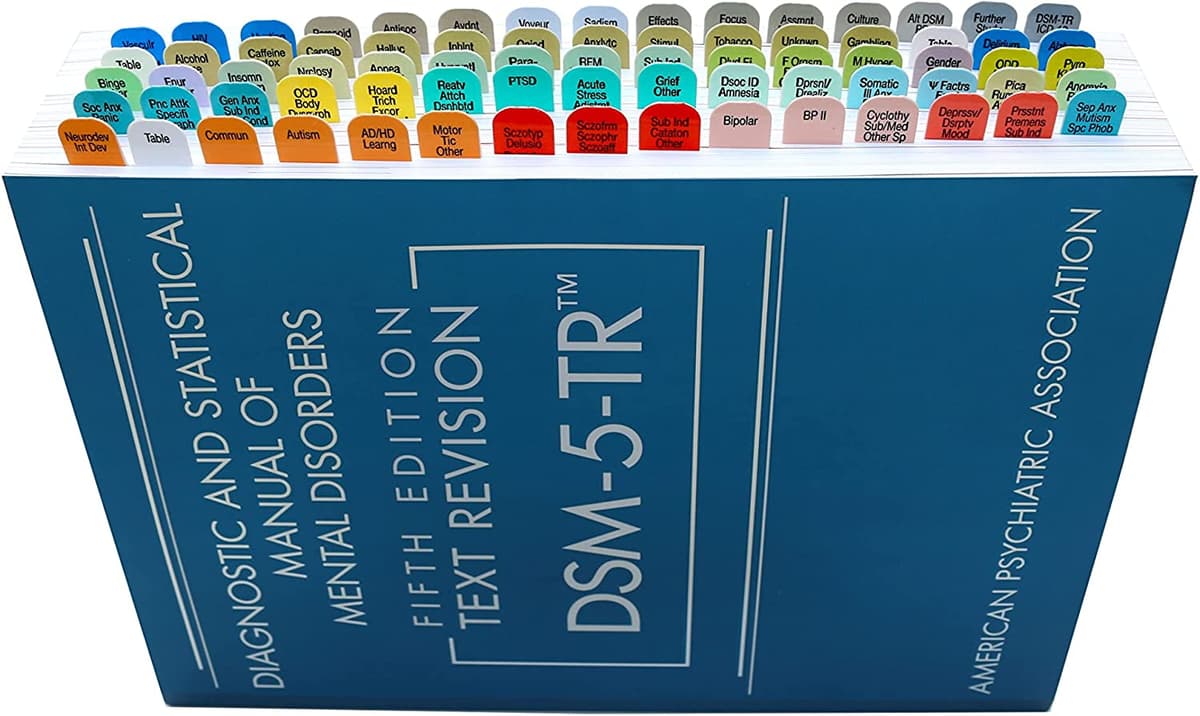
Diagnostic and Statistical Manual of Mental Disorders, Fifth Edition, Text Revision, DSM-5-TR
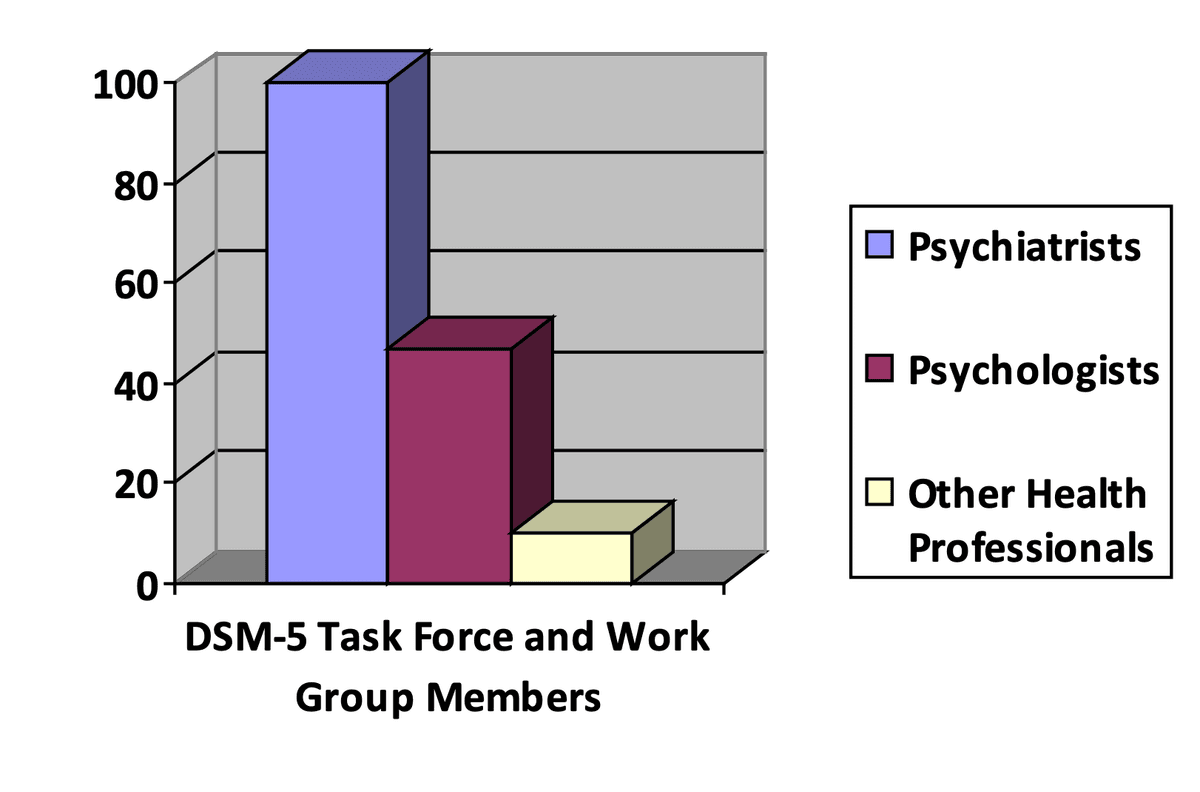
The most recent update to the Diagnostic and Statistical Manual of Mental Disorders, Fifth Edition, Text Revision, DSM-5-TR included a cast of characters on the board that makes me want to slide off my chair as I write this description for you, dear reader. Kenneth J. Zucker and Ray Blanchard are each well known for different kinds of anti-trans violence. Zucker is credited for inventing a kind of violently anti-trans conversion therapy aimed at children to which claims to prevent children from finding out that they are transgender. Blanchard is well known for another kind of violent anti-trans femme theory that conflates trans women with male cross dressers known as autogynephilia. Named both as the chairs of the DSM Paraphilias Subworkgroup, as Julia Serrano saliently and poignantly remarks in her text, Trans People Still Disordered in DSM, from October 2013, here. To have a relationship to this board, this subgroup and this manual is to only have a partial, sliding and sliding off again relationship to this context. When the DSM-5 was updated, the trans community had largely been focused on repealing the categorization and frameworks within the moniker: Gender Identity Disorder (GID). This GID categorization was changed to "Gender Dysphoria" meaning that some trans* people with some insurances can use this designation to access gender affirming care. Some trans*organizations celebrated this shift from GID to Gender Dysphoria as a win because they understood it to be a de-pathologizing move. However with the DSM-5-TR the expansion of the definition of 'Transvestic Disorder' furthers stigma at the intersection of saneism and sexual deviance, specifically targeting and expanding pathologisation and stigma of trans feminities. Sliding in and out of these regulations for strategic access is the only possibility I find in relating to the DSM as a queer trans*crip. In the development of these categories by the board of the DSM no lived experience experts were credited or asked what we think (at least not in the research I have been able to find so far).